

Key Takeaways:
- Fireplaces are best suited for new builds or major renovations where design, architecture, and a classic hearth feel matter most.
- Fireplace inserts are the smarter choice for existing drafty fireplaces because they improve heating efficiency, reduce fuel waste, and make better use of the fireplace opening you already have.
- Fraser Valley’s damp winter climate favours sealed, efficient heating units, especially if you want steady supplemental warmth rather than just ambiance.
- Professional installation and annual maintenance are important for safety, warranty protection, BC code compliance, and long-term performance.
Cold sets in differently around here. Not the dry, sharp cold of the prairies, but a slow, damp soak that finds every gap in the house. So when folks in the Fraser Valley start shopping for warmth, they almost always ask the same question: Should we go with a full fireplace, or is an insert the smarter buy?
It’s a fair question. The two products look nearly identical in the showroom. They burn the same fuels and heat the same rooms. Yet picking the wrong one can cost you thousands.
This is the Fireplace vs. Fireplace Insert explainer we walk Fraser Valley homeowners through at R.E. MacDonald, in simple language, with no upsell pressure.
What Is a Traditional Fireplace?
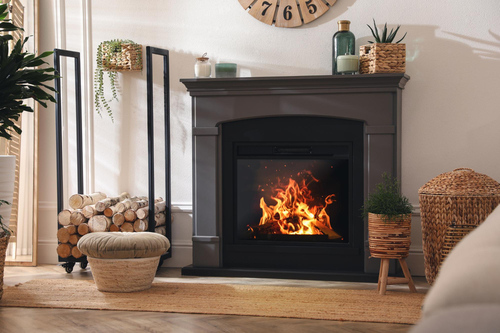
Imagine a traditional fireplace. On the outside, stone or brick; a firebox recessed in the wall; a chimney that draws smoke up and out. This is a traditional fireplace. It is part of the house itself, installed during construction or as part of a renovation.
The argument is largely emotional. Few things beat the look of real flame against a stone surround, especially with a mantel above and the family parked in front of it. Resale value? Strong. Curb appeal? Strong.
Now, the bad news. Up to 70-90% of the heat from an open wood-burning unit can be lost directly up the flue. You feel cozy by the fire, of course, but the rest of the house barely notices. Older sealed gas models aren’t much better. So while a traditional hearth nails the look, it often falls short on heating.
What Is a Fireplace Insert?
Here’s where things get interesting. A fireplace insert is a self-contained, sealed firebox designed to fit into your existing opening. Same surroundings. Same chimney chase. Brand new heating engine inside.
You get the flame view, the warmth, and a unit built to modern efficiency standards. Most run on gas, but wood, pellet, and electric versions are available, too. Gas tends to be the local favourite given how easy it is to hook up here in the Lower Mainland.
Worth flagging: electric inserts skip the chimney entirely. No flue, no fuel line, just a plug. Ideal for strata units or basement suites where gas is not an option.
When people speak of fireplaces and inserts in the same breath, they are typically comparing a brand-new built-in fireplace to a retrofit of an old, drafty fireplace. Both are valid. The winner depends on what you already have.
Fireplace vs. Fireplace Insert: The Key Differences

The differences between fireplaces and fireplace inserts appear in five places. Knowing them helps you skip a sales pitch and make the call yourself.
- How it’s built. A fireplace is part of the house’s bones. An insert fits into an existing fireplace.
- How does it heat? Open hearths leak heat. Inserts trap it. Modern inserts achieve 70-80% efficiency, sometimes more.
- What it costs. A fresh masonry fireplace can fall within a wide price range, especially with custom finishes. An insert falls within a tighter, more predictable range since the opening is already done.
- What it costs to run. Inserts are more fuel-efficient. Across a Fraser Valley winter, that gap shows up on the bill.
- How it looks and lasts. Built-ins win on architecture and presence. Inserts win on flame tech, glass viewing, and a service life of 15 to 20 years or more.
| Factor | Traditional Fireplace | Fireplace Insert |
| Heat efficiency | 10 to 30% (open wood) | 70 to 80%+ |
| Upfront cost | Variable, often higher | Tighter, predictable |
| Installation | Built into the structure | Retrofits into the opening |
| Operating cost | Higher | Lower |
| Lifespan | Decades | 15 to 20+ years |
| Best for | New builds, full renos | Drafty existing hearths |
Read it row by row, and the fireplace insert vs. the built-in fireplace story tells itself. Inserts win on efficiency and ongoing cost. Built-ins win on design freedom and that wow-factor first impression. Honestly, the fireplace vs insert call is less about better or worse, and more about what you’re starting from.
Fireplace Insert Installation: What to Expect
A good fireplace insert installation doesn’t start with the unit. It starts with what’s already on your wall. At R.E. MacDonald, we measure the firebox, inspect the chimney, check clearances, and confirm venting before recommending any product.
After selecting the correct insert, the work follows a fairly consistent sequence. We sweep and inspect the chimney, install a stainless steel liner that fits the new unit, install the insert, connect gas or power, and complete the surround and trim so it looks like it’s always been there.
A heads-up on the BC side. Permits matter. A licensed pro, full stop, must handle gas hookups. That’s where good fireplace installers earn their fee. We’ve cleaned up too many DIY jobs that voided warranties or failed inspections. A clean fireplace insert installation usually wraps up in a single day, sometimes less.
Fireplace and Fireplace Insert Maintenance
Both setups need a little love. The work just looks different.
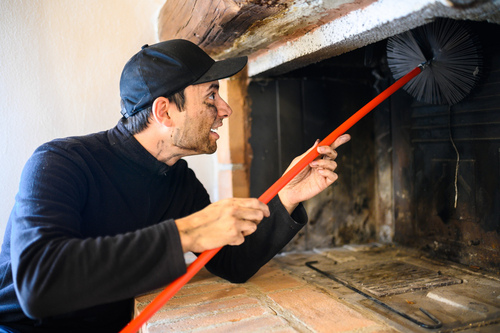
Maintenance of a wood-burning fireplace includes an annual chimney sweep, a creosote check, a chimney masonry inspection, and a chimney cap and damper inspection. Gas units have the burner, valve, and pilot cleaned and tested. Miss a year, and a small fix turns into a big one. Firewood with less than 20 percent moisture content can give you up to 25 percent more heat than damp wood and produce far less creosote buildup in the chimney.
Fireplace insert maintenance is gentler on the calendar. Wipe the glass when it gets cloudy, inspect the door gasket, check the venting, and have the blower and burner serviced once a year. Pellet and wood inserts also need the ash cleared out. A flickering pilot, a weak flame, or glass that fogs up quickly are all worth a service call before something bigger breaks.
One Fraser Valley quirk worth mentioning: our wet, mild winters bring more debris and birds into chimneys than in dry climates. An annual inspection before the cold snaps hit is the right move. Stay on top of fireplace and fireplace insert maintenance, and your unit will pay you back for years.
Which Is Right for Your Fraser Valley Home?
The fireplace vs insert question hinges on a handful of practical factors, not on which sounds nicer at a dinner party.
- What you’ve got. New build, heritage home, or a condo with no chimney access? Each pushes you in a different direction.
- What you want. Pure ambiance, supplemental warmth, or a real heat source for the main living area?
- What’s already there. A drafty masonry hearth doing nothing useful, or a blank wall that needs everything?
- Your budget. Up-front installation plus what you’ll spend running it through a BC winter.
- Climate fit. Damp, cool winters here reward sealed, high-efficiency units, plain and simple. The wetter the season, the more an efficient unit pays for itself.
A few common situations we see all the time:
- New construction: Build a fireplace. Most design freedom, biggest impact.
- Existing drafty masonry fireplace: Retrofit with an insert. The efficiency gain alone justifies it.
- No chimney, strata limits: Consider electric. Easy to install, easy to live with.
No two homes are the same, and that’s kind of the point. When you compare fireplaces and inserts side by side on paper, the right one is usually obvious once you factor in how the room is actually used.
Why Choose Professional Fireplace Installers in the Fraser Valley
Installation matters. A unit is only as good as the people who install it. A few reasons folks call us:
- 40+ years on the ground. R.E. MacDonald has been doing this in the Fraser Valley since 1978.
- Certified techs. Trained in gas, wood, and electric, every job to BC code.
- BBB accredited, Houzz recognized. Quality matters more than volume.
- Premium brands. Valor, Enviro, Regency, Jotul, Pacific Energy, Blaze King, and others.
- Local reach. Langley, Surrey, Abbotsford, Maple Ridge, Coquitlam, Chilliwack, Mission, Delta, Whiterock, and the rest of the valley.
We’re the bar we set if you’ve been looking for fireplace installers who treat your home like their own. Schedule a complimentary in-home estimate, and we will guide you through the choices that best suit your space.
Final Thoughts
The decision between a fireplace insert and a fireplace really comes down to two starting points. If you’re building or renovating from scratch, a fireplace gives you the room to design. If you’re stuck with an old, drafty unit, an insert turns it into a workhorse. Either way, the right pick fits the room, the budget, and the way you actually live in it. Once the difference between a fireplace and a fireplace insert clicks for you, the rest mostly answers itself.
Book a free, no-obligation in-home estimate with the team at R.E. MacDonald. We’ll walk through your space, look at what you already have, and lay out the option that actually fits, no pressure, no sales script. Get your free estimate today.
FAQs:
Can I install a fireplace insert myself?
Not really. Gas and venting work in BC requires a licensed installer, and a botched job can void your warranty and pose a safety risk.
How much more efficient is a fireplace insert than an open fireplace?
A modern insert runs 70 to 80 percent efficient. An open wood fireplace loses most of its heat up the chimney. A big gap.
How long does a fireplace insert typically last?
Most quality inserts last 15 to 20 years. Gas units often last longer with annual service and proper use.
How often should I service my fireplace or insert in the Fraser Valley?
Once a year, before winter hits. Our damp climate makes that yearly check worth every penny.