
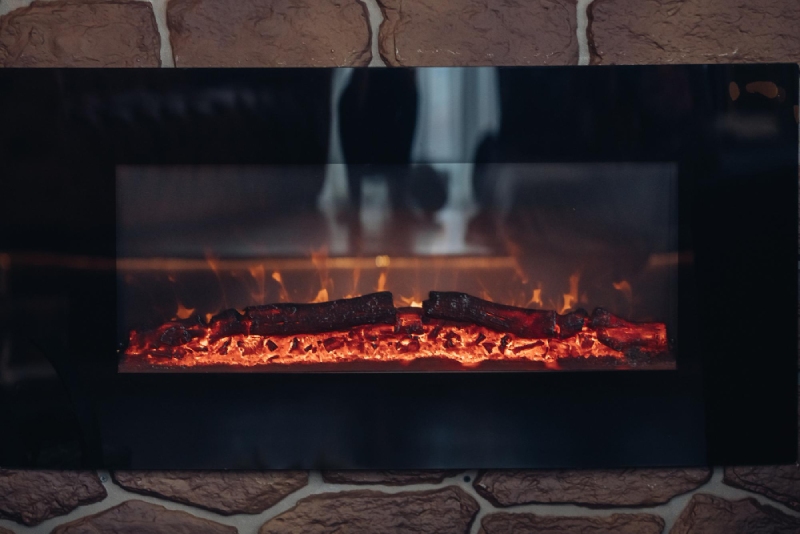
A gas fireplace insert is a self-contained gas appliance designed to fit inside an existing masonry or approved solid-fuel fireplace opening, converting an old wood-burning fireplace into a convenient source of flame and room heat. It requires dedicated venting and should be selected and installed for the specific fireplace enclosure by a qualified gas professional.
Key Takeaways
- A gas fireplace insert is a certified appliance that fits into an existing approved fireplace enclosure and uses dedicated gas and venting connections.
- Direct vent systems use outdoor air for combustion and send exhaust outdoors through a sealed venting path, while B-vent systems rely on natural draft and room air.
- Not every wood-burning fireplace can accept an insert. The existing enclosure, opening size, chimney condition, venting route, and gas supply all need to be assessed.
- A properly sized gas insert can provide useful zone heat for a room, but it should not be treated as a substitute for whole-home heating.
- An in-home assessment helps match the insert, venting, finish, and installation scope before you commit to a purchase.
What a Gas Fireplace Insert Actually Is
A gas fireplace insert is a purpose-built appliance that fits inside an existing fireplace cavity rather than replacing the entire fireplace structure. The insert contains the burner and firebox, while an approved venting system carries combustion products outdoors and the appliance releases heat into the room.
That makes an insert different from a factory-built gas fireplace, which is installed as a complete system. If you already have a wood-burning fireplace you rarely use, an insert can preserve the familiar hearth location while changing how you heat the room.
Natural Resources Canada identifies inserts as one of the three common gas fireplace types and describes them as units installed in an existing fireplace cavity to convert a wood-burning fireplace to gas or propane. It also recommends comparing the Fireplace Efficiency rating when evaluating models. Natural Resources Canada explains gas fireplace types and efficiency here.
At R.E. MacDonald, you can compare gas fireplace inserts alongside other natural gas fireplaces in our Langley showroom. Valor and Regency are confirmed parts of our fireplace offering, so you can compare their flame appearance, controls, trim, and efficiency in person.
How an Insert Fits Into an Existing Fireplace Opening
An insert does not simply slide into any old fireplace opening. The existing enclosure must be an approved type, the insert must fit without prohibited structural modifications, and the venting and gas connection must comply with the appliance manufacturer’s certified installation requirements.
Technical Safety BC’s July 2026 safety order states that certified gas fireplace inserts may be installed in masonry fireplaces or solid-fuel zero-clearance fireplaces, which are factory-built wood-burning fireplaces designed for installation close to combustible framing. Other enclosure combinations require specific certification, and the existing fireplace structure cannot simply be cut apart to fit an insert. Read the Technical Safety BC safety order.
A typical assessment and installation plan addresses five practical points:
1. Measure the fireplace opening, including width, height, depth, and any areas where the firebox narrows.
2. Inspect the condition of the existing fireplace and chimney to ensure the enclosure and vent route are suitable for the proposed insert.
3. Confirm the gas supply and any electrical requirements for the specific model, controls, or fan system being considered.
4. Select the certified venting components and route required by the insert. Existing chimneys are often used as a path for approved liners, but the exact arrangement depends on the appliance.
5. Plan the finishing details, including surround panels, trim, hearth clearances, controls, and the final installation quote.
Our venting for fireplaces page is a useful starting point for understanding why the vent system is part of the appliance, not an accessory to choose later. The goal is a finished installation that looks intentional in the room and follows the certified system from the firebox to the outdoor termination.
Direct Vent Versus B-Vent Inserts
Direct-vent and B-vent inserts handle combustion air and exhaust differently. Direct-vent systems are sealed off from the room and draw combustion air from outdoors, whereas B-vent or natural-draft systems use indoor air for combustion and rely on the upward draft of warm flue gases.
| Feature | Direct Vent | B-Vent / Natural Draft |
| Combustion air | Drawn from outdoors through the venting system. | Drawn from the room around the appliance. |
| Exhaust | Sent outdoors through a sealed vent path. | Moves upward through a natural-draft vent or approved liner. |
| Typical retrofit approach | Existing chimneys can often carry separate intake and exhaust liners when the model is approved for that configuration. | Uses a vertical natural-draft path and depends on correct chimney and vent conditions. |
| Efficiency tendency | Typically reduces the loss of heated room air because combustion is sealed from the room. | Can use conditioned room air for combustion, so efficiency is often lower than comparable direct vent designs. |
Natural Resources Canada notes that direct-vent fireplaces use separate pathways for outside combustion air and exhaust, and that a two-liner direct-vent arrangement is often used when an existing fireplace and chimney are retrofitted with a gas insert. It also explains that natural-draft fireplaces typically use B-vent or an approved metal liner. See the NRCan gas fireplace venting guide.
For a homeowner, the practical question is not which vent label sounds better. It is which certified system works with your existing fireplace, chimney route, room, and chosen insert. That is why venting should be decided as part of the appliance and installation plan, not after the insert has been ordered.
Signs Your Old Fireplace Is a Good Candidate for an Insert
Your old fireplace may be a good candidate for a gas insert if it is an approved masonry or solid-fuel fireplace enclosure, the opening can accommodate a certified insert, and the chimney and gas route can support the required installation. The best candidates are fireplaces that are structurally sound but no longer suit how you want to use the room.
A few signs that an insert is worth assessing include:
- You like the location and appearance of the existing hearth, but you rarely use it because starting, tending, and cleaning up a wood fire feels like too much work.
- The fireplace opening is intact, and there appears to be sufficient depth and height for a properly sized insert and surround without altering the enclosure.
- The chimney is accessible for inspection and can accommodate the approved venting system required by the model.
- A qualified professional can route a gas supply to the fireplace location.
- You want dependable zone heat in the room where your family spends time, with simple controls and a real flame.
An assessment is even more important if you observe corrosion, damaged firebrick, water staining, a deteriorating chimney, an unusual prefabricated enclosure, or previous modifications around the firebox. These conditions do not automatically rule out an insert, but they can affect what is safe, certifiable, and cost-effective.
This is also where straight answers matter. If the opening is not suitable for an insert, it is better to know before you buy. A different type of fireplace or a broader renovation may be the more practical route.
Getting a Free In-Home Assessment Before You Buy
A free in-home assessment should give you a clear picture of fit, venting, product choices, installation scope, and next steps before you make a purchase. For an insert project, measurements and the condition of the existing fireplace are too important to rely on a showroom conversation alone.
With R.E. MacDonald, the process can start with a free in-home assessment or a visit to our Langley showroom. We have served the Langley and Aldergrove areas since 1978, and our model is built around a single team that handles product, installation, parts, service, and in-house warranty follow-through.
During the assessment, expect the conversation to cover the room you want to heat, the fireplace opening, venting path, fuel supply, the look you want, and any practical constraints around the hearth. From there, the team can narrow the product options and provide a transparent installation quote that reflects the actual job rather than a generic appliance price.
The Langley showroom also lets you compare flames and finishes in person. More than 170 fireplaces, stoves, and BBQs are on display, a useful proof point when you are choosing a permanent feature for the room.
Frequently Asked Questions
Can Any Wood Fireplace Be Converted With a Gas Insert?
No. Not every wood fireplace can be converted to a gas insert. In British Columbia, Technical Safety BC says certified inserts may be installed in masonry or approved solid-fuel zero-clearance fireplaces, while other enclosure combinations require specific certification. The opening must also accept the insert without prohibited structural changes, so an on-site assessment is the safest starting point.
How Long Does a Gas Insert Last Before It Needs Replacing?
There is no single replacement age that applies to every gas insert. A well-maintained unit can remain serviceable for many years, but condition, service history, venting integrity, corrosion, parts availability, and manufacturer support all matter. If repairs are becoming frequent or key parts are no longer available, it is reasonable to compare repair costs with the cost of a replacement.
Do Gas Inserts Need a Chimney Liner?
Most gas fireplace inserts installed into an existing chimney use an approved liner or dedicated venting system, but the exact configuration depends on the appliance. Direct vent inserts commonly use separate intake and exhaust pathways, while natural-draft systems may use B-vent or an approved metal liner. The insert manufacturer’s certified instructions determine the final venting design.
Is a Gas Insert Enough to Heat a Whole Room?
Often, yes, if the gas insert is properly sized for the room and the home layout allows the heat to circulate. Gas inserts are best treated as zone heaters for the space around the fireplace, not as replacements for a whole-home heating system. Compare model output and Fireplace Efficiency ratings, then match the unit to the room during your assessment.
Conclusion
A gas fireplace insert can turn an underused wood-burning hearth into a convenient source of flame and room heat, but the right result starts with proper fit and venting. The enclosure must be suitable, the insert certified for the application, and the installation completed in accordance with the approved requirements. That is comfort you can trust, built to last.
If you are in Langley or the Fraser Valley and want to know what will work in your fireplace, Book Your Free In-Home Estimate with R.E. MacDonald.