
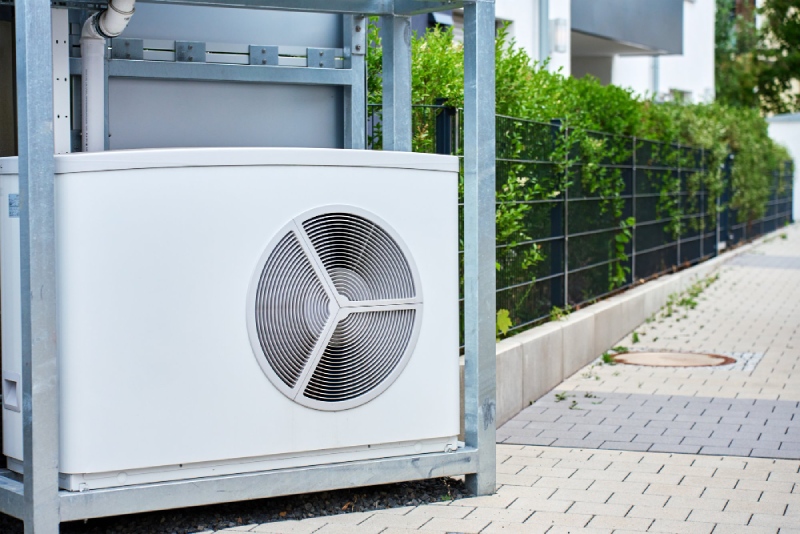
A heat pump is an electric system that transfers heat to warm your home in winter and remove it in summer. Air-source models exchange heat with outdoor air, and the right size, indoor setup, and backup plan depend on your home’s heating needs.
Key Takeaways
- A heat pump uses electricity to transfer heat and can provide both home heating and cooling.
- Cold-climate heat pumps are designed for lower outdoor temperatures, but their heating output still varies by model and conditions.
- A heat pump can replace a furnace in a suitably designed system or provide backup heat alongside one.
- An in-home assessment should evaluate heating needs, existing ductwork, electrical capacity, and equipment placement before installation.
How a Heat Pump Moves Heat Instead of Creating It
A heat pump transfers heat using a refrigerant (a fluid that absorbs and releases heat as it circulates). An air-source system draws heat from outdoor air, even when the air feels cold to you.
The heating process follows a repeating cycle:
- Collect Heat. Refrigerant absorbs outdoor heat as it passes through the outdoor coil (tubing that exchanges heat with the surrounding air).
- Raise the Temperature. A compressor (the component that pressurizes the refrigerant) increases the refrigerant’s pressure and temperature.
- Warm Your Home. The indoor coil releases heat, and a fan circulates the warmed air throughout your living space.
- Repeat the Cycle. The refrigerant passes through a pressure-reducing component, preparing it to absorb heat outside again.
Electricity powers the compressor and fans. Because the system also collects heat from outdoors, the heating energy it delivers can exceed the electrical energy it consumes. However, this does not guarantee specific bill savings, which depend on equipment performance, energy prices, and the system being replaced.
Natural Resources Canada’s heat pump guide explains this heat-transfer process. Our heat pump services cover installation, repair, and maintenance, so you can consider both the equipment and the support you will need after installation.
Why One System Can Both Heat and Cool
A heat pump can heat and cool because its refrigerant circuit can reverse direction. A reversing valve (a component that redirects refrigerant flow) lets the indoor and outdoor coils exchange roles.
In heating mode, the system releases the collected heat indoors. In cooling mode, it absorbs heat from your indoor air and releases it outdoors. The same equipment handles both functions, so you don’t need a separate cooling-only appliance.
| System | Heating | Cooling |
|---|---|---|
| Heat Pump | Yes | Yes |
| Cooling-Only Air Conditioner | No | Yes |
| Gas Furnace on Its Own | Yes | No |
Heating and cooling capabilities are shown for each system on its own.
One system does not necessarily mean one box. A ducted heat pump uses outdoor and indoor equipment connected to your home’s ductwork. Ductless mini-splits use indoor units to deliver heating or cooling directly to the spaces they serve.
The practical question is whether you need cooling only or want to change how you heat as well. Comparing our air conditioning options with heat pumps can help clarify those two options.
Tell us about the bedroom that overheats, the chilly downstairs room, and which spaces your family uses most. Those details make the conversation more useful than choosing equipment by name alone.
Cold-Climate Models Versus Standard Heat Pumps
Cold-climate heat pumps are designed to provide effective heating at lower outdoor temperatures than standard models. However, a cold-climate label does not guarantee that every unit will heat every home without backup.
Heating capacity (the amount of heat a system can deliver) and efficiency (the heat delivered compared with the energy used) are distinct measures. Both matter. A unit can still run in cold weather while no longer providing all the warmth your home needs.
When comparing models, ask three questions: How much heat does this unit deliver on the coldest days it is sized for? How does that compare with our home’s calculated heating needs? What supplies any shortfall? A minimum operating temperature alone does not answer those questions.
An outdoor coil can also collect frost in cold, damp weather. A defrost cycle (a brief operating cycle that melts frost from the outdoor coil) helps the system keep running. Normal defrost operation is not the same as a heat pump failing to heat your home.
For Langley and Fraser Valley homeowners, cold-snap planning should be part of the assessment. BC Hydro’s heat pump guidance stresses matching the equipment to your region and allowing for supplemental heating where needed. Ask for a recommendation that explains how it will perform at your home, not just a label on a brochure.
Where a Heat Pump Fits With an Existing Furnace
A heat pump can work with a compatible furnace, or replace it when the full system is designed to meet your home’s heating needs. Keeping a furnace is optional, not required.
A dual-fuel system (an electric heat pump paired with a gas furnace) uses coordinated controls to select the heating source. The furnace can take over under certain conditions, while the heat pump also provides summer cooling. The changeover settings should reflect the equipment, the home, and the operating strategy.
An all-electric setup can use an air handler (indoor equipment that circulates air through ducts) or ductless indoor units. Some systems include electric backup heat. Removing a gas furnace and eliminating all backup heating are therefore two different decisions.
Existing ducts also need assessment. They may require modifications to accommodate the new equipment’s airflow, even if they already serve a furnace. Reusing parts should be a design decision, not an assumption based on what is already in the basement.
Before deciding what stays, ask for the reasoning in writing: what heating needs the proposed system can meet, what happens during a cold snap, and which components are being reused. At R.E. MacDonald, we can discuss furnace options alongside heat pumps, so you are considering the whole home rather than two isolated purchases.
What a Typical Fraser Valley Installation Looks Like
A typical Fraser Valley heat pump installation begins with an in-home assessment, followed by equipment selection, installation, testing, and a homeowner walkthrough. The scope of work varies with your home’s layout, existing equipment, and whether the design is ducted, ductless, or paired with a furnace.
- Assess the Home. A heat-loss calculation (an estimate of the heat needed to maintain indoor comfort in cold conditions) guides sizing. Windows, insulation, and the home’s construction matter, not just floor area.
- Plan the Details. Check electrical capacity, indoor and outdoor placement, airflow, drainage, and the route for connecting lines. Confirm any required approvals and who is responsible for them.
- Install the Equipment. The crew positions the units and completes the specified refrigerant, electrical, drainage, and ductwork connections. The written scope should identify any work beyond the equipment installation.
- Test and Explain. Commissioning (checking and setting up the completed system) verifies performance and the control system. The handover should cover thermostat operation, filter care, maintenance, and the backup heating arrangement.
A clear quote should distinguish equipment costs from electrical, ductwork, or finishing changes. Ask what could affect the schedule, what access the crew needs, and whether any other trades are involved. You should know the plan before work starts.
For homeowners in Langley, Abbotsford, Aldergrove, and nearby Fraser Valley communities, we pair in-home guidance with installation and follow-through. Our installation and warranty services include in-house warranty processing, so you know which team to contact after the sale. Warranty coverage still depends on the product and its terms.
Frequently Asked Questions
Can a Heat Pump Fully Replace My Furnace?
Yes, a heat pump can replace your furnace if the selected system meets your home’s heating needs at the temperatures it is designed for. The assessment should evaluate heating demand and how heat reaches each room. Some homes use an all-electric system with backup heat; others keep a compatible furnace as part of a dual-fuel setup.
Do Heat Pumps Work Well in Winter in BC?
Yes, appropriately selected heat pumps can heat BC homes through winter, including in the Fraser Valley. Cold-climate models are designed for lower outdoor temperatures. Performance still depends on the model, sizing, insulation, and installation, so ask what your proposed system will deliver during a cold snap and whether supplemental heat is needed.
How Is a Heat Pump Different From an Air Conditioner?
A heat pump can provide both heating and cooling, while a cooling-only air conditioner removes heat from indoors. Both use a refrigerant circuit, but a heat pump can reverse the heat-transfer process to warm the home. That added heating function is the key difference, not an automatic guarantee of better cooling in every installation.
What Does a Heat Pump Installation Typically Involve?
A heat pump installation typically includes a home assessment, equipment placement, connecting the indoor and outdoor components, and testing the completed system. Electrical or ductwork modifications may also be required. Your quote should outline the scope, required approvals, and handover arrangements before installation is scheduled.
Conclusion
A heat pump can bring heating and cooling together, but the right choice starts with your home, not a one-size-fits-all promise. At R.E. MacDonald, we pair straightforward advice with installation and follow-through from the same local team. That is comfort you can trust, built to last. Book Your Free In-Home Estimate to talk through a setup that fits your home.