
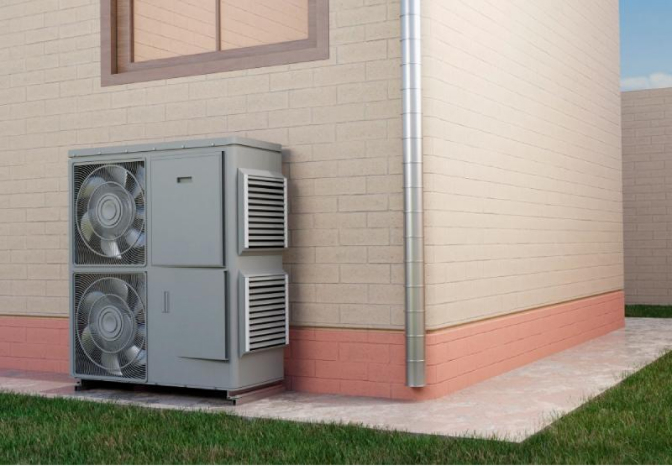
Strata heat pump installation in Langley involves adding a heating and cooling system to a condo or townhouse while complying with shared property and building requirements. Before installation, you need a suitable equipment layout, any required written strata approval, electrical checks, and applicable permits, not just a preferred heat pump model.
Key Takeaways
- Written strata approval is required before installation when the work affects the exterior or common property.
- Equipment choice depends on your room layout, existing ductwork, and your assessed heating and cooling needs.
- Outdoor placement requires a plan for airflow, noise, drainage, safe access, and applicable local rules.
- Electrical capacity, permits, and any rebate pre-approval require attention before work starts.
How Heat Pumps for Strata Buildings Differ from Detached-Home Projects
Heat pumps for strata buildings use the same technology as those for detached homes, but installation must also account for shared property and building infrastructure. A heat pump moves heat to warm your home in winter and cool it in summer.
The difference lies in what surrounds the equipment. A hole through an exterior wall penetrates the building envelope (the layers separating indoors from outdoors). The installation must preserve those layers against water and air leaks, rather than simply hide the opening behind a cover.
Your private outdoor space is another consideration. A balcony or patio may be limited common property (common property designated for particular strata lots). Having the right to use it does not automatically authorize equipment installation or alterations. Check the strata plan and registered bylaws before choosing a location.
Confirm whether your address is in Langley City or the Township of Langley. The Township’s equipment-siting bulletin restricts side-yard locations in specified residential zones and sets additional location requirements. A layout accepted elsewhere does not prove that your proposed location complies. Ask the relevant municipality about your specific proposal.
Our heat pump options are a starting point for that conversation. We would rather help you assess the fit than have you choose equipment based on installation assumptions.
Where Strata Approval Fits into the Installation Process
Strata approval is required before installation, though a site assessment and a proposed quote can help you obtain it. Begin by asking your property manager or council for the current alteration application, heat pump guidelines, and any approved equipment locations.
Under B.C.’s Standard Bylaws, specified alterations to a strata lot, including the building exterior, and to common property require written approval. Stratas can amend these bylaws, so review your registered version. Some significant changes to common property also require an owners’ vote rather than council approval alone.[3]
A practical sequence is:
- Review the rules. Identify the application requirements, review dates, and whether your proposal needs additional professional advice.
- Develop the proposal. Have the contractor show equipment locations, exterior wall openings, electrical work, drainage, and installation methods.
- Obtain written approval. Resolve conditions regarding appearance, noise, access, maintenance and responsibility for damage before work proceeds.
- Complete the remaining checks. Confirm permits and any required rebate pre-approval before installation begins.
An alteration agreement (a written record of approval conditions and responsibilities) may form part of the process. Read it carefully, including what happens when equipment needs replacement or the home is sold. Do not treat a neighbour’s earlier approval as permission for your project.
This is general planning guidance, not legal advice. Ask your strata manager or a B.C. strata lawyer about disputed permissions or unclear obligations.
How Condo and Townhouse Layouts Affect Equipment Choice
Your existing ductwork, room layout, and available installation space determine which heat pump configuration is practical. A ductless mini-split (an outdoor unit connected to indoor air-delivery units without ductwork) is an option where adding ductwork would be impractical.
| Your Home Layout | Option to Assess | Key Question |
|---|---|---|
| No existing ducts | Ductless mini-split | Where can indoor units and connecting lines fit? |
| Separate rooms or several floors | Multi-zone ductless system | Which rooms need their own indoor unit? |
| Existing suitable ductwork | Ducted heat pump | Can the ducts deliver the required airflow? |
These are starting points, not automatic recommendations. One indoor unit in an open living area does not guarantee even temperatures in every bedroom. Explain where you sleep, work and spend time, and ask how the design will serve those spaces. Our ductless mini-split systems can be assessed against those priorities.
Ask for a heat-load calculation (an assessment of your home’s heating needs) and a cooling assessment, rather than selecting capacity based on floor area alone. Confirm the proposed system’s winter performance and whether any existing heating must remain or be disconnected under the chosen design and rebate rules.
Electrical suitability is a separate assessment. Ask the qualified electrical contractor to assess the supply to your unit and any relevant shared infrastructure. A strata electrical planning report can help identify building-wide capacity and future demand, but it is not a substitute for the electrical design of your installation.
Outdoor placement also needs adequate airflow, service access and a safe drainage route. Screening that looks tidy should not block equipment or the routes people use to leave the building.
What to Expect from a Professional Strata Heat Pump Installation
A professional strata heat pump installation should include a clear scope, appropriately licensed tradespeople, careful installation, and a documented handover. Commissioning (testing and setting up the installed system) is part of finishing the job, not an optional extra.
The project should cover these stages:
- Confirm the design. Verify that the equipment, mounting locations, and wall openings match the approved proposal. Identify who is responsible for electrical work and for any specialist building-envelope review.
- Coordinate access. Arrange permitted work hours, deliveries, parking, and any elevator bookings. Notify the strata of work affecting shared areas, and plan protection for floors and access routes.
- Install the approved system. The crew mounts equipment and completes the connecting lines, drainage, and electrical work. Exterior penetrations require appropriate sealing, and required fire separations must be maintained.
- Test and explain the operation. Request operating checks, a drainage check, and a demonstration of heating, cooling, controls, and filter access.
- Collect the records. Keep the equipment details, manuals, warranty terms, required permit completion records and any documents requested by council.
Technical Safety BC says that most residential heat pump installations require an electrical permit and a licensed electrical contractor. Other permit requirements depend on the equipment and the work involved. Removing or modifying a gas furnace requires a gas permit; strata approval does not replace these requirements.
At R.E. MacDonald, our parts and warranty support continues after the sale, including in-house warranty processing. Confirm the equipment and installation warranty terms in your quote so you know whom to contact later.
Questions to Settle Before You Request a Quote
Before requesting a quote, gather your strata requirements, current heating details, and the rooms you want to heat or cool. You do not need every technical detail yet, but these details provide a useful starting point for the assessment.
Bring these questions to the discussion:
- What is the goal? Is the priority summer cooling, replacing the existing heating, or improving comfort in specific rooms?
- What can the council review now? Do you have an application form, location restrictions, noise requirements, and a contact for technical questions?
- What does the price include? Ask about electrical changes, permits, access equipment, wall repairs, drainage, testing, and any excluded professional fees.
- What sets the schedule? Separate council review, equipment availability, and permit requirements from the days when trades will be in your home.
- Who looks after it later? Clarify servicing, warranty contacts, and responsibilities under the alteration agreement.
Check rebates before you commit. As of October 10, 2026, BC Hydro’s condo and apartment heat pump rebate requirements require pre-approval before installation. Eligibility depends on the home, equipment and installation. Do not assume a townhouse qualifies for the same program, or deduct a rebate from your budget before eligibility is confirmed.
A useful quote makes decisions visible. Ask the contractor to distinguish between confirmed costs, allowances, and exclusions, and to explain any proposed changes before you authorize them.
Frequently Asked Questions
Do I Need Strata Approval to Install a Heat Pump in My Langley Condo or Townhouse?
Usually, yes, for a permanently installed system that affects the exterior or common property. B.C.’s Standard Bylaws require written approval for such alterations, although your strata may have amended its bylaws. Check the registered bylaws and approval process before work begins. A balcony or patio reserved for your use is not an automatic exemption.
What Documents Does My Strata Council Need to Approve a Heat Pump?
Ask the council for its application checklist first. Expect to provide equipment specifications, a location sketch, sound information, electrical requirements, drainage details, and the proposed treatment of wall openings. The council may also request contractor insurance and an alteration agreement. A complete package should explain both the installation and who will be responsible afterward.
Which Heat Pumps Work Best for Strata Buildings?
The best fit depends on the building and your unit, not a single brand or model. Ductless systems can suit homes without ductwork, while existing ductwork may support a ducted option. Have the contractor assess heating needs, room coverage, electrical capacity and outdoor placement. Choose equipment that meets the approved design, not simply the lowest advertised price.
Can a Heat Pump Be Installed on a Balcony or Patio in a Strata?
Sometimes, provided the location is approved and technically suitable. The outdoor unit needs adequate airflow, safe mounting, drainage, service access, and clear exit routes. Noise, vibration, exterior appearance, and municipal siting rules also need review. Have your contractor assess the space and obtain any required written strata approval before installation.
Conclusion
A workable strata heat pump project starts with your building, your comfort needs, and a clear approval path. Settle the location, electrical requirements, and responsibilities before installation, then keep the records for future maintenance. At R.E. MacDonald, we believe comfort you can trust starts with straightforward advice and follow-through. Book Your Free In-Home Estimate to discuss options for your home.