
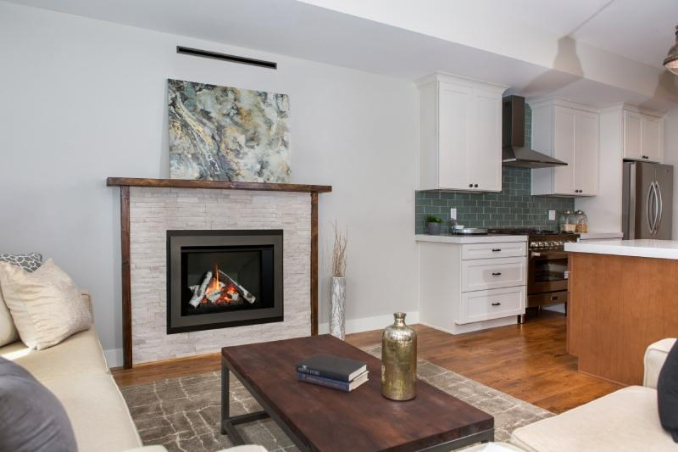
Comparing linear vs traditional gas fireplaces starts with shape: linear models create a wide, horizontal focal point, while traditional models feature a taller, more classic opening. Either can provide useful room heat, so your decision should also consider viewing angles, heating needs and the installation your space can support.
Key Takeaways
- Linear gas fireplaces emphasize width, while traditional styles usually frame the fire within a taller or squarer opening.
- Heat output and efficiency depend on the individual model, not on whether the fireplace is linear or traditional.
- The existing fireplace, vent route, and required clearances determine installation options for either shape.
- Comparing the flame, finishes and controls in person, not just from a photograph, helps you choose a fireplace for everyday use.
How Linear and Traditional Fireplace Shapes Differ
A linear gas fireplace is a gas appliance with a wide, horizontal viewing window; a traditional gas fireplace usually has a taller, rectangular or square opening. The distinction is about proportions, not whether one burns gas and the other burns wood.
Traditional describes the appearance, not outdated technology. Both shapes are available in modern gas appliances. Among our gas fireplace options, the key question is how you want the fire to sit in the room, not which shape is universally better.
| Consideration | Linear Style | Traditional Style |
|---|---|---|
| Typical Proportions | Wide, horizontal window | Taller rectangle or squarer opening |
| Design Starting Point | A broad feature wall | A defined hearth or mantel |
| Flame Presentation | An extended flame display | A more concentrated hearth view |
| Heating Decision | Check the individual model | Check the individual model |
Typical design distinctions; individual models vary. 1,2,3,4
Flame Presentation and Viewing Area in Each Style
Linear fireplaces generally emphasize a flame that spans the width of the opening. Traditional styles frame the fire within a taller view, often with a more familiar log-fire appearance.
The finishing options overlap. For example, Valor lists birch, driftwood, glass, and rock-and-shale options for its L1 linear fireplace. The mid-size H3 offers birch, driftwood, and traditional logs. A linear shape does not require a glass-only look, and a traditional shape does not preclude a cleaner, updated finish.
Compare the visible glass dimensions, the appliance, and the finished surround. A wide window is not automatically a larger total viewing area. Sit where your sofa or favourite chair would be and consider how the flame looks from that angle.
Keep heating performance separate from appearance. Natural Resources Canada’s EnerGuide guidance explains how a model’s Fireplace Efficiency rating (the percentage used to compare energy efficiency) supports comparison. Also ask about heat output and the lowest operating setting so the fireplace suits both the room and how you plan to use it.
Which Architectural Styles Suit Each Option
Linear styles can complement clean-lined rooms and large feature walls, while traditional styles can complement mantels and established hearth details. Neither is limited to a single architectural style; Regency encompasses traditional designs in modern homes and linear designs with traditional stone finishes.
As a design starting point, consider what you are keeping. A retained mantel, symmetrical cabinets, and a familiar hearth arrangement may favour traditional proportions. A newly designed wall with a long, uninterrupted surface may invite a linear fireplace. These are layout suggestions, not rules about what your home should look like.
Start with the usable wall, including the space occupied by windows, shelving and furniture. A fireplace should feel intentional within that setting. Looking at the complete wall helps avoid choosing a size simply because it looks impressive in a close-up product photo.
Try describing the result you want without naming a product: a quiet backdrop for reading, a strong gathering point, or a simpler alternative to a dated surround. That description is often more useful in a design conversation than choosing whichever shape is currently fashionable.
Our showroom team can be a starting point for discussing finishes and proportions. Bring examples of what appeals to you, but keep the room’s actual dimensions and installation requirements in the discussion.
Installation Differences Between the Two Shapes
Neither shape has a universal installation advantage. The appliance, wall space, vent route and clearances (required distances from nearby materials) determine the work involved.
Both styles offer direct-vent models (sealed appliances that draw combustion air from outdoors and vent exhaust outdoors). Existing vents or enclosures cannot be reused automatically.
- Identify the existing setup. Is it masonry, a factory-built wood-burning fireplace, an existing gas appliance, or a new wall location? Each requires a different assessment.
- Review the complete appliance package. Your installer should confirm the dimensions, gas supply, venting, and the manufacturer’s clearance requirements before you select the final surround.
- Agree on the full scope. Separate the appliance, removal, framing, venting, finishing and applicable permits in the estimate, and confirm who handles each part.
A wood-burning enclosure requires special care. Technical Safety BC’s gas-insert installation safety order restricts modifications to existing masonry and solid-fuel enclosures. Do not assume the opening can be widened for an insert; any replacement or certified installation requires professional assessment.
Our fireplace installation and support services include installation and finishing. Use a licensed gas contractor for regulated gas work, and have the contractor confirm the applicable permits and approval requirements for your project. 7,8
Seeing Both Styles Side by Side Before Deciding
Comparing both styles in person lets you judge the flame, proportions and controls together. View it from a seated position and standing directly in front of the fireplace, and consider the settings you’ll use most often.
At our Langley showroom, we help homeowners compare fireplace options with straightforward advice. We carry Valor and Regency, and our team can discuss which options suit a Fraser Valley home. Confirm specific display models before visiting rather than assuming every configuration is on the floor.
Bring room photographs, approximate wall measurements and existing fireplace details. Note features you want to keep, such as a mantel, and compare appearance, usable heat, controls, and installation scope.
Support matters after the style decision, too. R.E. MacDonald provides parts assistance and in-house warranty processing. We want you to know who to contact later. Warranty coverage is governed by the product’s terms rather than a blanket promise.
Frequently Asked Questions
Does a Linear Fireplace Produce Less Heat Than a Traditional One?
Not necessarily. Shape alone does not determine how much useful heat a fireplace provides. Compare the individual models’ heat output, adjustable settings and efficiency ratings. Room size, insulation and layout matter too. Choose the heating performance you need first, then compare styles among models that meet those needs.
Is a Linear Fireplace Better Suited to Modern Homes?
Often, but not exclusively, visually. A linear fireplace can suit clean lines and a wide feature wall, while stonework or log options can connect it to a more traditional room. A traditional gas fireplace can also work in a modern home. Let the overall proportions and finishes guide the choice.
Do Both Styles Come in the Same Range of Price Points?
Do not assume the price ranges are identical. Compare actual models and complete, installed quotes rather than treating either shape as a fixed budget category. Ask for the appliance, chosen accessories, venting, and finishing to be itemized. Without those details, two similar-looking price tags may describe very different project scopes.
Can a Traditional Fireplace Opening Be Converted to a Linear Style?
Sometimes, but it is not a simple swap. The existing enclosure, new appliance dimensions, and venting must be assessed. For a wood-burning opening, Technical Safety BC restricts enclosure alterations for gas inserts. A different certified installation approach or a complete replacement may be needed, so have the site assessed before committing.
Conclusion
The choice between a linear and a traditional gas fireplace comes down to your room and the experience you want. Match the proportions and flame presentation to the right heat output and a realistic installation plan. That is how we approach comfort you can trust, built to last. Book Your Free In-Home Estimate with R.E. MacDonald to work through the options for your space.